
PEP’s thought leadership in 2025 reflected a growing body of research and policy analysis on youth employment, economic transformation, and sustainable development. Through research publications, commentary, and knowledge platforms, PEP researchers contributed evidence and perspectives that help inform policy debates across the Global South.
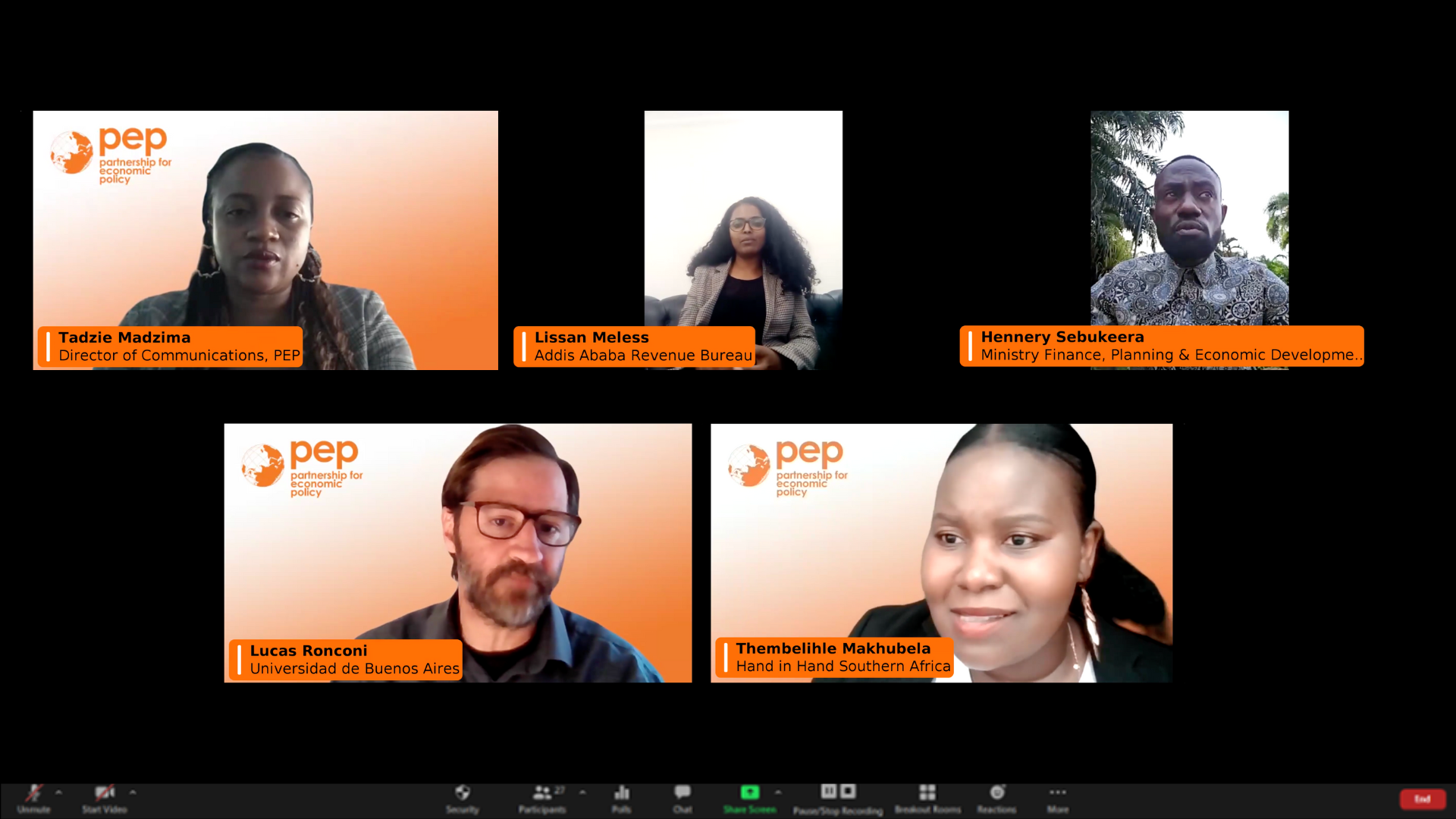
A significant share of these contributions emerged from the What Works for Youth Employment in Africa initiative (supported in partnership with the Mastercard Foundation), which combined research findings with a structured effort to identify critical research and knowledge gaps. This process was grounded in extensive, locally driven consultations with policymakers, practitioners, and other stakeholders across participating countries, ensuring that priorities reflect real policy constraints and implementation challenges. The consultations revealed persistent evidence gaps in areas such as the effectiveness of school-to-work transition pathways, the quality and sustainability of jobs created, barriers faced by young women and marginalized groups, and the scalability of successful interventions across contexts. They also highlighted limited understanding of demand-side constraints, firm dynamics, and local economic structures shaping youth employment outcomes. These insights are now directly informing PEP’s research priorities in a second phase of this initiative (2026-28), funded by the Foundation.
Beyond youth employment, PEP’s intellectual contribution was further shaped by work under other major programmes and partnerships. Research and engagement under the Ecosystems for Evidence-Informed Policymaking (EIP) initiative (supported by the Hewlett Foundation) continued to generate insights on how to strengthen institutional ecosystems for evidence use. Similarly, programmes supported by International Development Research Centre (IDRC) and other partners contributed to advancing knowledge on education systems, sustainable economic transitions, and inclusive development pathways.
Drawing on these research and policy engagements, PEP also launched a forward-looking effort to articulate new research agendas in areas such as health (including sexual and reproductive health) and innovation. This effort brings together researchers across regions to identify emerging policy challenges and areas where stronger evidence is needed to inform decision making. The agendas—to be consolidated in 2026—aim to structure collaborative research efforts and position PEP to engage proactively with evolving debates on development policy.
Ongoing research initiatives


