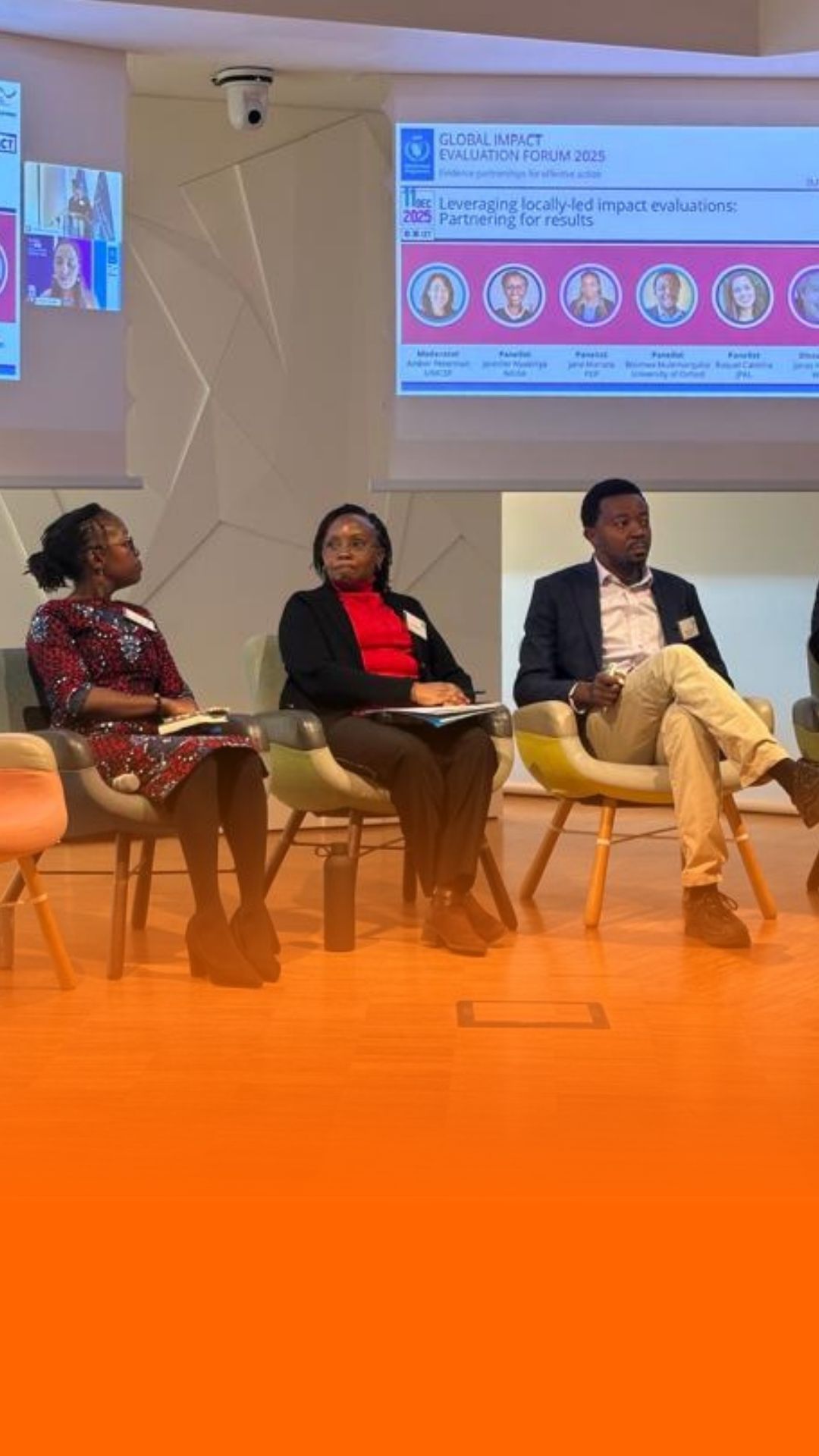



In-country development challenges require locally-devised solutions. In 2025,
PEP worked with researchers, policymakers, and civil society across the Global
South to produce and translate high-quality local evidence into policy
decisions on some of the most pressing development questions of our time:
how young people access dignified work, how education systems serve the
communities they are built for, and how economies can grow in ways that are
genuinely inclusive and sustainable.
...

Our partnership with PEP reflects our shared commitment to research that is locally grounded, ethically conducted, and designed to inform real policy and systems change.
With the first phase of our collaboration—What Works for Youth Employment in Africa—successfully completed in 2025, and we are continuing this partnership with a renewed focus on young women and marginalized youth. Simultaneously, we’ll be shifting our/the project/partnership’s attention from policy design to inclusive implementation, youth agency, and systems responsiveness.
We value PEP’s leadership in advancing locally led, policy-relevant research and look forward to continued learning and impact as we work together toward our shared goals.
Dr. Eunice Muthengi, Director, Evidence & Learning Insights,
Mastercard Foundation

PEP's outstanding contribution to the SPES project - funded under the Horizon Europe Programme - provided relevant research results and stakeholder engagement activities in the Global South, meeting the highest standards of scientific research quality and informing the policy discussion on sustainability transitions across the world.
Mario Biggeri & Andrea Ferrannini
Department of Economia e Management, University of Florence, and ARCO Action-Research for Co-Development

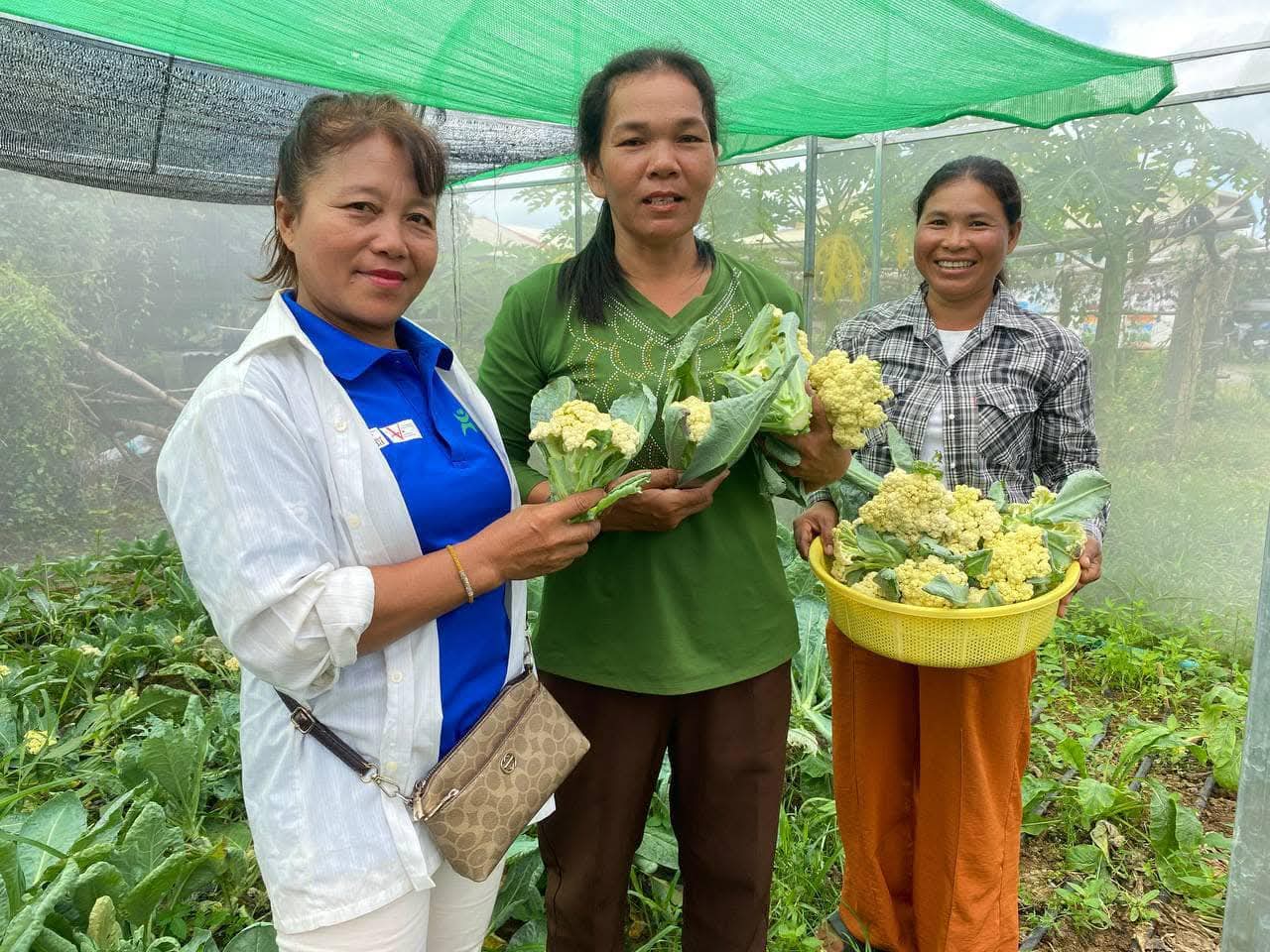
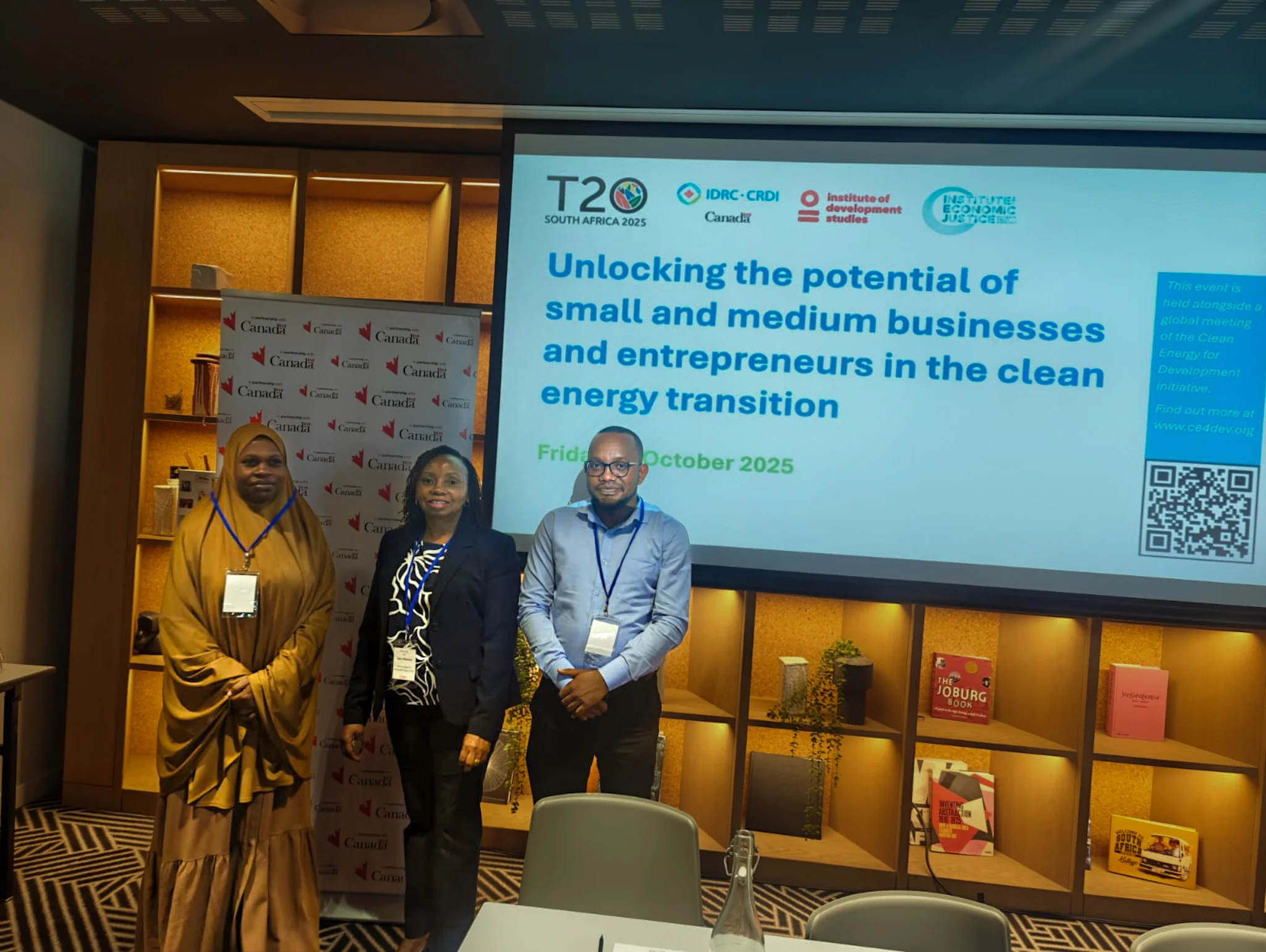
I am truly delighted to see how PEP is advancing the IDRC‑supported research on the barriers and opportunities for expanding renewable energy use among rural micro, small, and medium‑sized enterprises (MSMEs) engaged in agricultural modernization across sub‑Saharan Africa and Southeast Asia.
The insights emerging from this multi‑country initiative are already shaping practical guidance on how MSMEs can benefit from the clean‑energy transition, while also informing country‑driven climate commitments such as Nationally Determined Contributions (NDCs).
With this growing body of evidence and its strong network of local research partners, PEP is now well positioned to play a pivotal role in supporting countries’ low‑carbon development agendas.
Dr. Bhim Adhikari,
Senior Program Specialist,
International Development Research Centre (IDRC)
PEP demonstrates the life-changing impacts of IDRC investments across the Global South.
Through our collaboration, PEP has enhanced researcher capacity in integrating gender equality and inclusion throughout the research cycle, and it has been a great joy to see PEP exceeding the original targets.
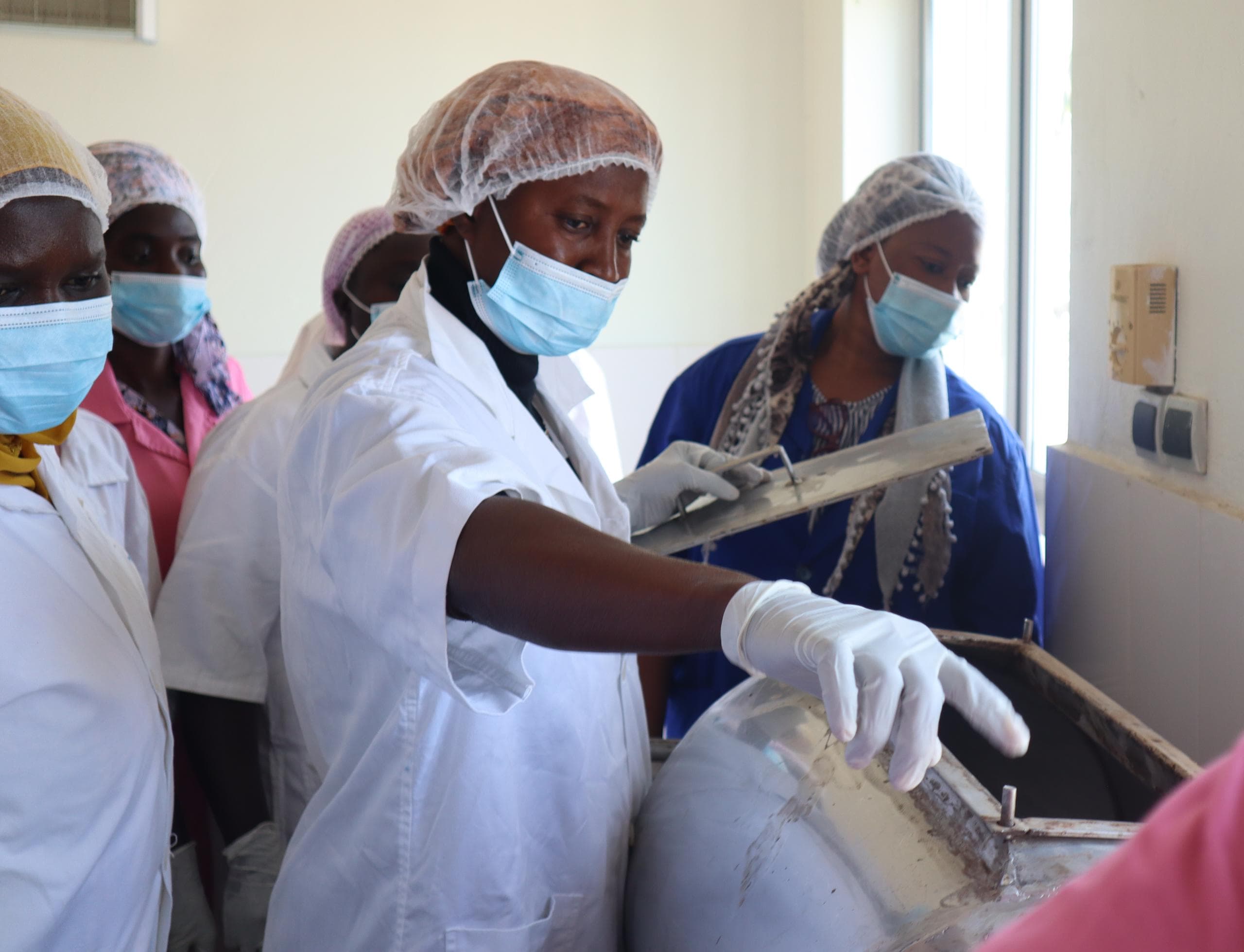
PEP is also producing comprehensive, policy-relevant evidence on school meal procurement practices in Ethiopia, supported as part of IDRC's Catalyzing Resilient, Inclusive and Sustainable Procurement Systems for School Food (CRISP) initiative. Lessons from these initiatives will help shape sustainable and inclusive food systems across Africa.
Dr. Edidah Lubega Ampaire,
Senior Program Specialist,
International Development Research Centre (IDRC)

The Hewlett Foundation is proud to continue our partnership with PEP as they strengthen the ties between researchers and policymakers in East and West Africa. By aligning evidence generation with real policy needs and supporting policymakers to use that evidence, these collaborations are helping to shape more effective, evidence-informed policies that improve people’s lives.
Christopher Chibwana, Program Officer,
William and Flora Hewlett Foundation

The collaboration between Global Affairs Canada and PEP through the Learning Knowledge and Management Project is empowering small and medium organizations (SMOs) and their local partners. By enhancing their capacity to evaluate and improve their activities, the project promotes further progress in improving living conditions, promoting gender equality, and empowering women and girls. Through non-scientific evaluations, PEP is working with six Global Affairs-funded SMOs to drive impactful change. Additionally, LKMP's online training and mentorship in operational knowledge are equipping many more SMO projects with the technical expertise needed for rigorous monitoring and evaluation methodologies.
Stefan Paquette, Senior Project Manager,
Global Affairs Canada
Ángela María Guarín Aristizábal
Researcher, Learning and Knowledge Management Project - Colombia
Ángela María Guarín Aristizábal
Researcher, Learning and Knowledge Management Project - Colombia
Since my first evaluation project with PEP, I have received outstanding technical and administrative support, along with a strong recognition of the value of qualitative research in my work. This collaboration has also opened new opportunities, including connections with international research teams, such as a project with the University of Bordeaux, and my current role as a scientific advisor in a project in Cameroon.
Through these experiences, PEP has significantly expanded my international research network and strengthened the appreciation and use of qualitative methods among implementers and policymakers.
Trung Xuan Hoang
Project Lead, Leveraging renewable energy MSMEs for sustainable agriculture in Vietnam
Trung Xuan Hoang
Project Lead, Leveraging renewable energy MSMEs for sustainable agriculture in Vietnam
My experience with PEP, particularly through this programme, has been highly valuable in strengthening locally led research by providing both technical support and a collaborative research environment. The programme has also facilitated meaningful engagement with policymakers, helping translate research findings into policy-relevant insights and dialogue.

Agnès Zabsonré
Project Lead, Leveraging renewable energy MSMEs for sustainable agriculture in Burkina Faso
Agnès Zabsonré
Project Lead, Leveraging renewable energy MSMEs for sustainable agriculture in Burkina Faso
Thanks to the technical and financial support from PEP, our team was able to design and implement a rigorous field experiment tailored to the realities of farmers in Burkina Faso.
Importantly, the project created real opportunities for us to engage with policymakers and stakeholders, helping ensure that our findings are relevant and can effectively inform decisions in the agricultural and energy sectors.
With over ten years of collaboration with PEP, its support has significantly strengthened my research capacity while also enhancing my teaching and student supervision—an experience that has been truly rewarding!
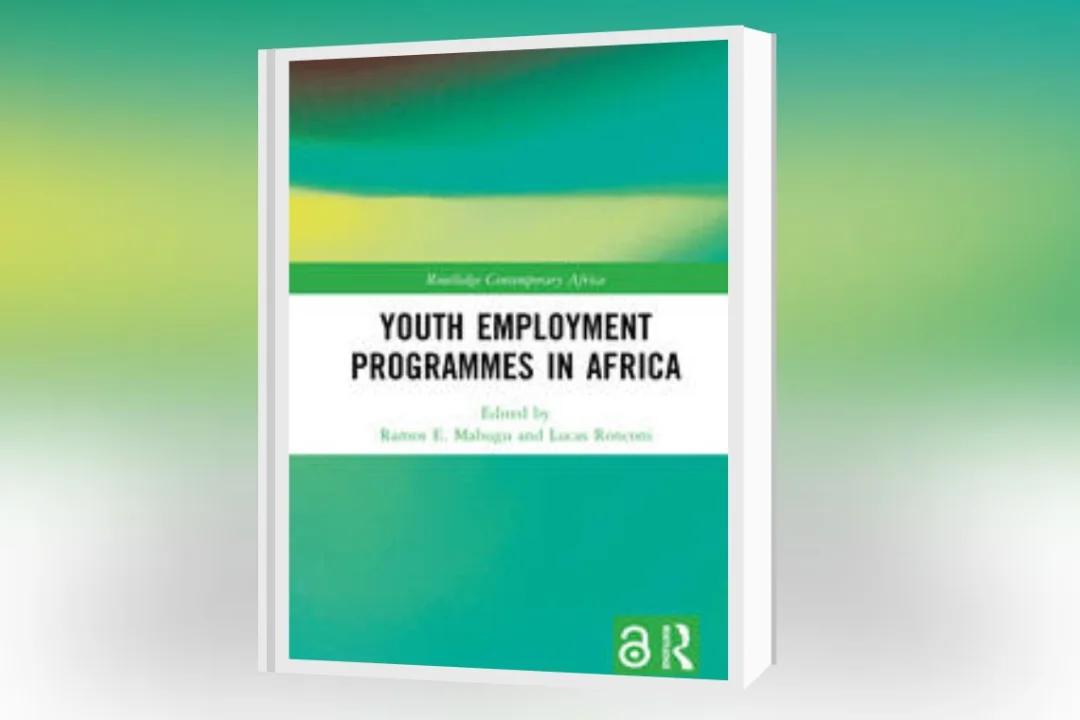
New Book: Youth Employment Programmes in Africa



When global crises hit home: lessons from Kenya’s Russia-Ukraine war shock

Empowerment: Kenya’s path to a Giant Leap

The Carbon Border Adjustment Mechanism (CBAM) and its Negative Impact on the Global South
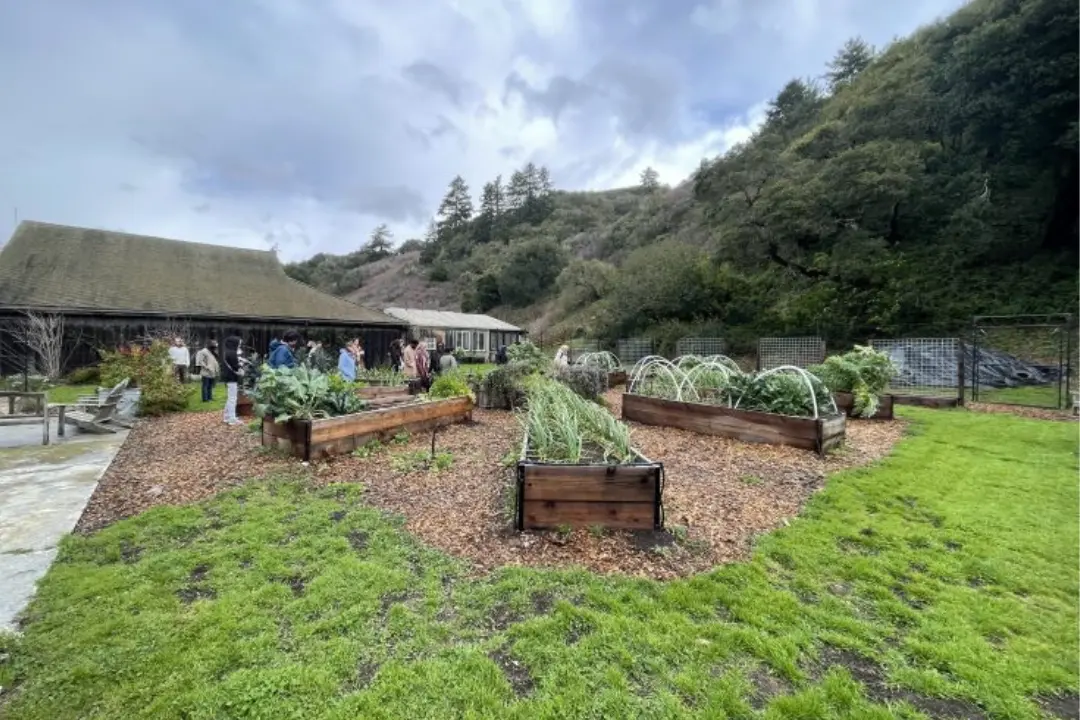
Regenerative agriculture in action: Lessons from TomKat Ranch

Southern Lens on Development
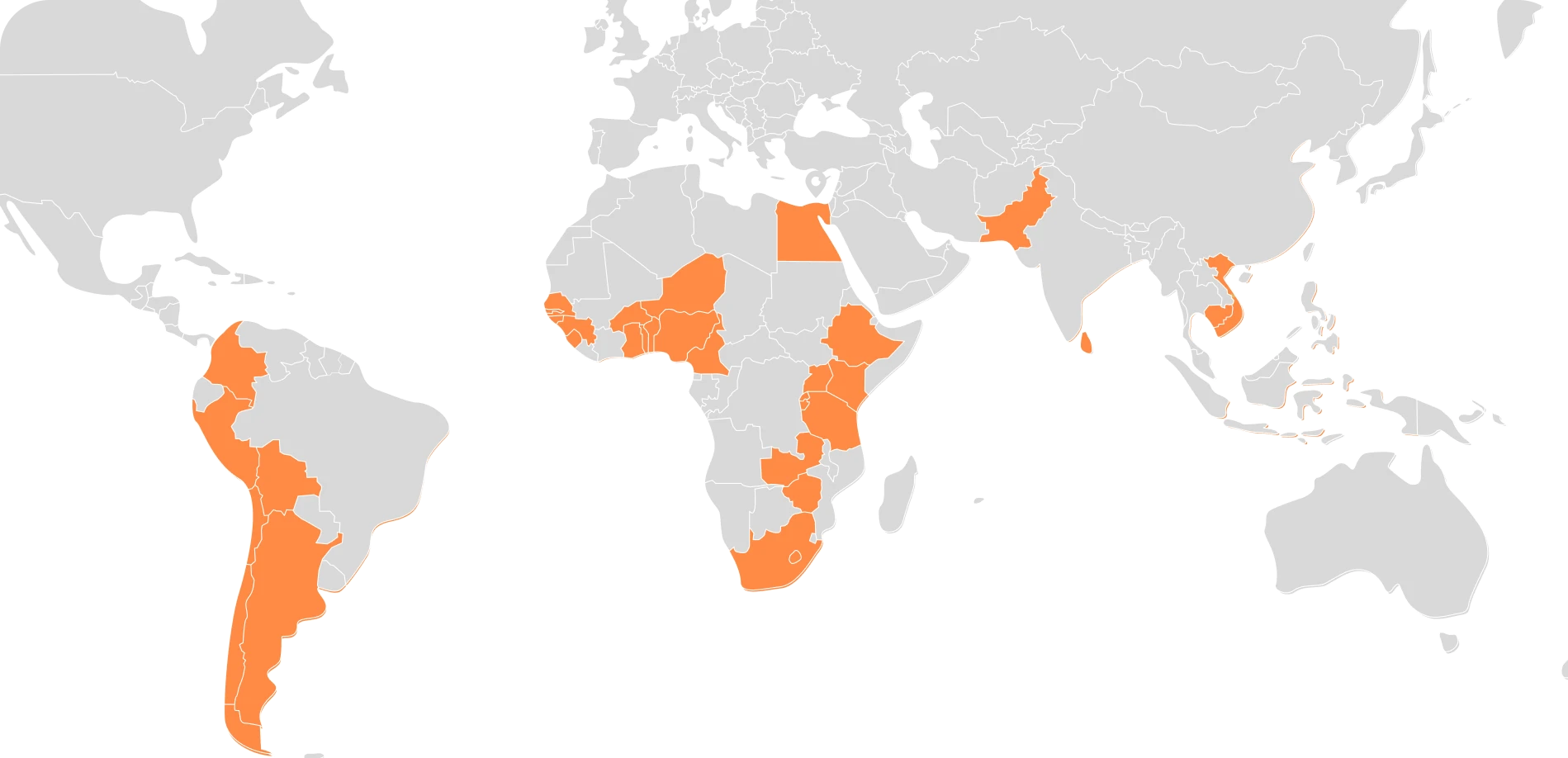
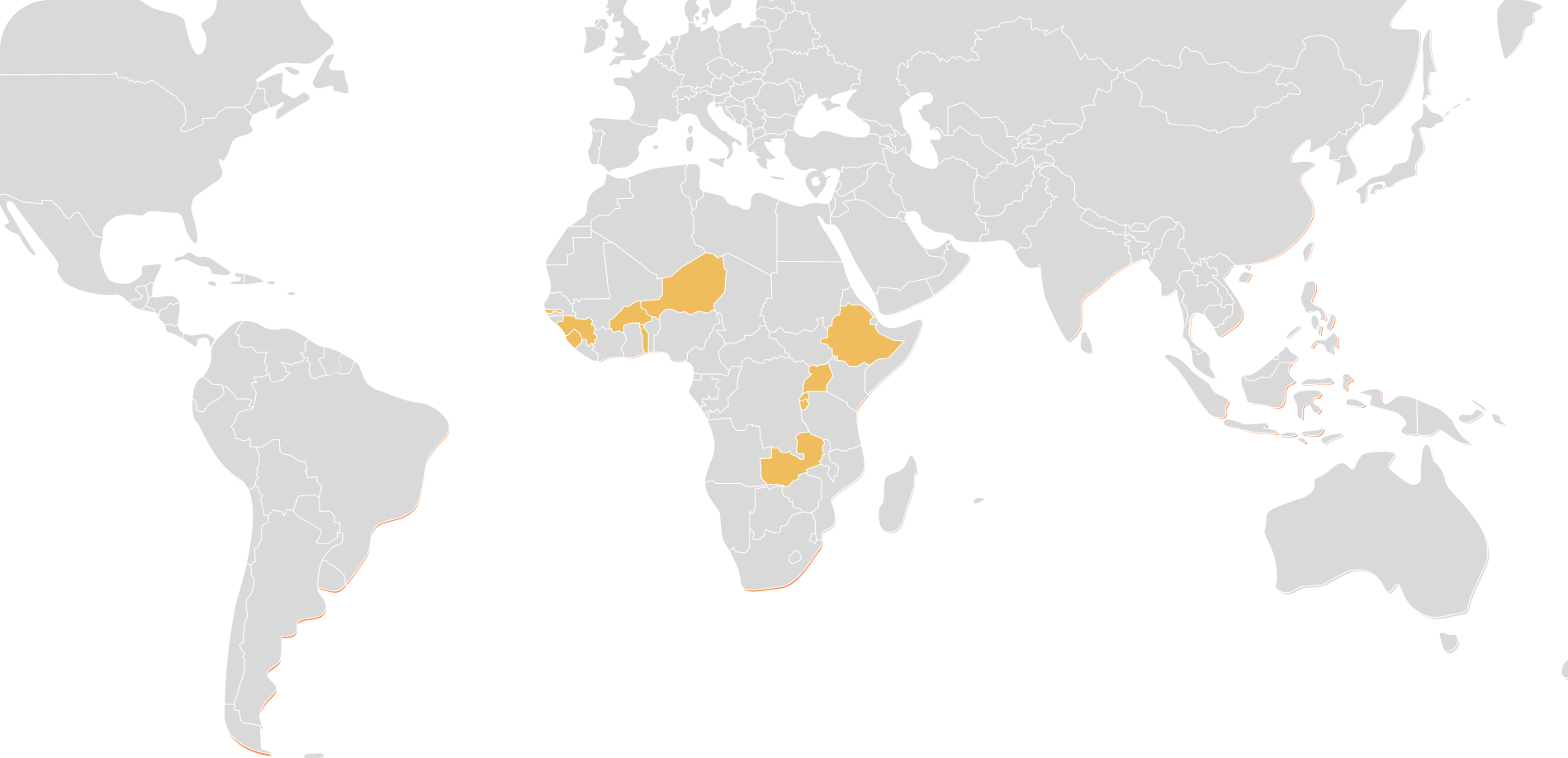

of PEP
publications

of PEP-supported research in national news outlets




local projects supported

publication downloads

website visitors per year

social media followers/subscribers

newsletter recipients

local researchers trained
local projects supported
publication downloads
website visitors per year
social media followers/subscribers
newsletter recipients
local researchers trained
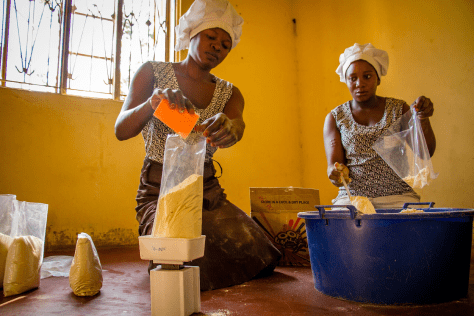
In-depth policy and impact reviews of youth employment programmes, generating evidence that can drive policy reform to improve youth employment in ten African countries.
Read More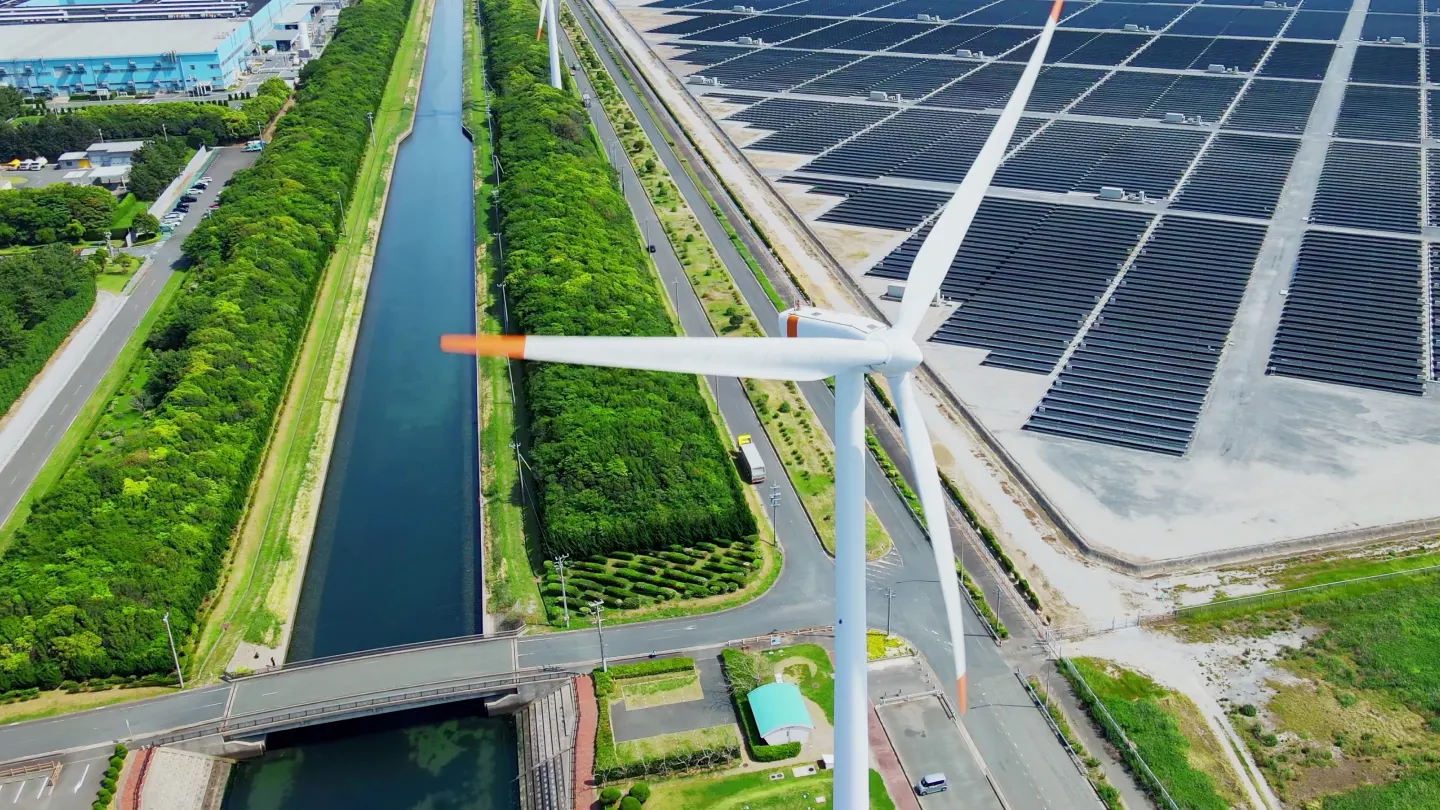
Reconciling productivity, equality, sustainability, and participation to drive the energy transition towards sustainable human development.
Read More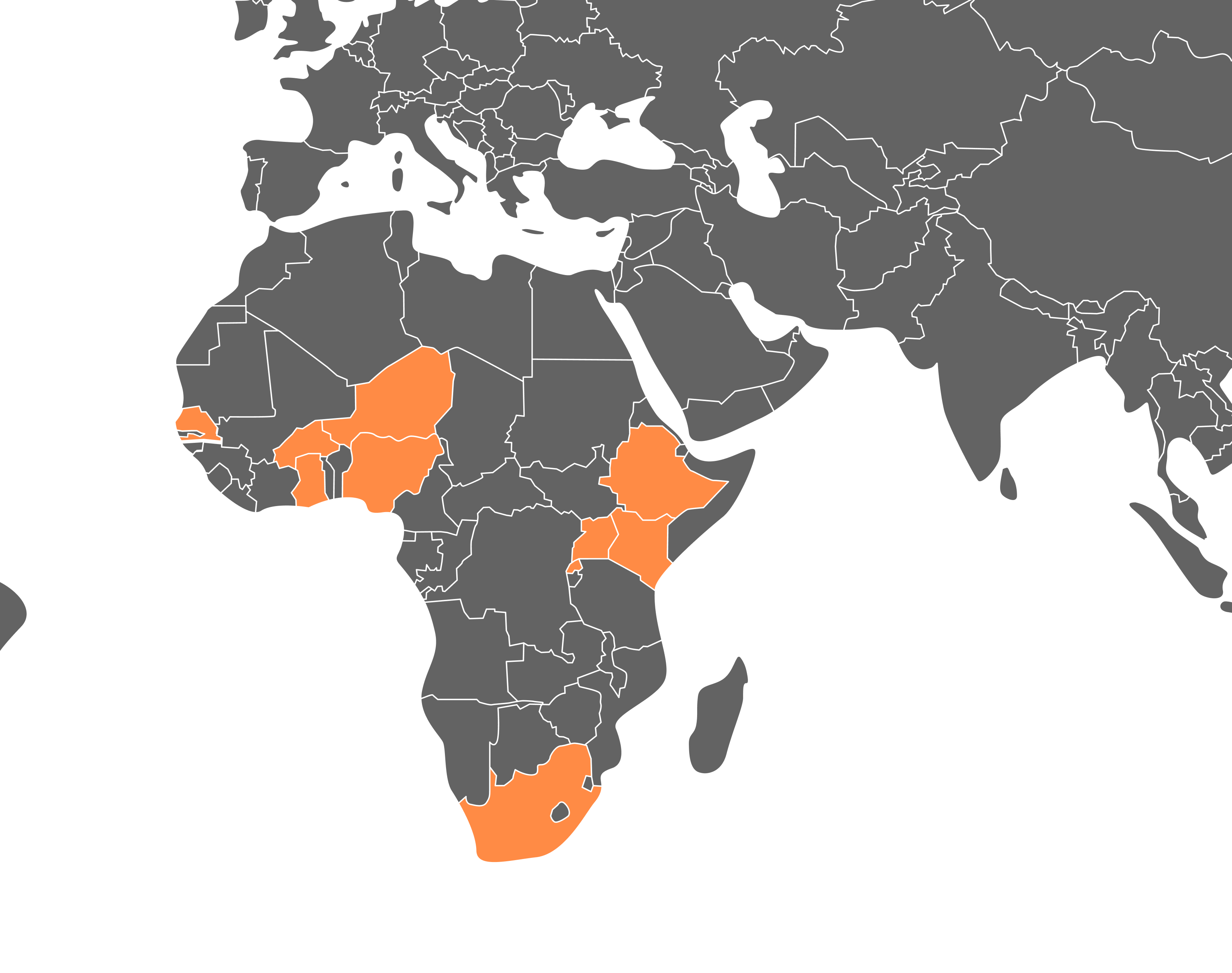
In-depth policy and impact reviews of youth employment programmes, generating evidence that can drive policy reform to improve youth employment in ten African countries.
Read More
Reconciling productivity, equality, sustainability, and participation to drive the energy transition towards sustainable human development.
Read More


In 2025, PEP launched a major initiative to strengthen institutional capacities and systems for evidence-informed policymaking (EIPM) across Africa. By combining capacity strengthening, structured collaboration, and real-time advisory mechanisms, the programme contributes to building more resilient and responsive evidence-to-policy ecosystems across participating countries.
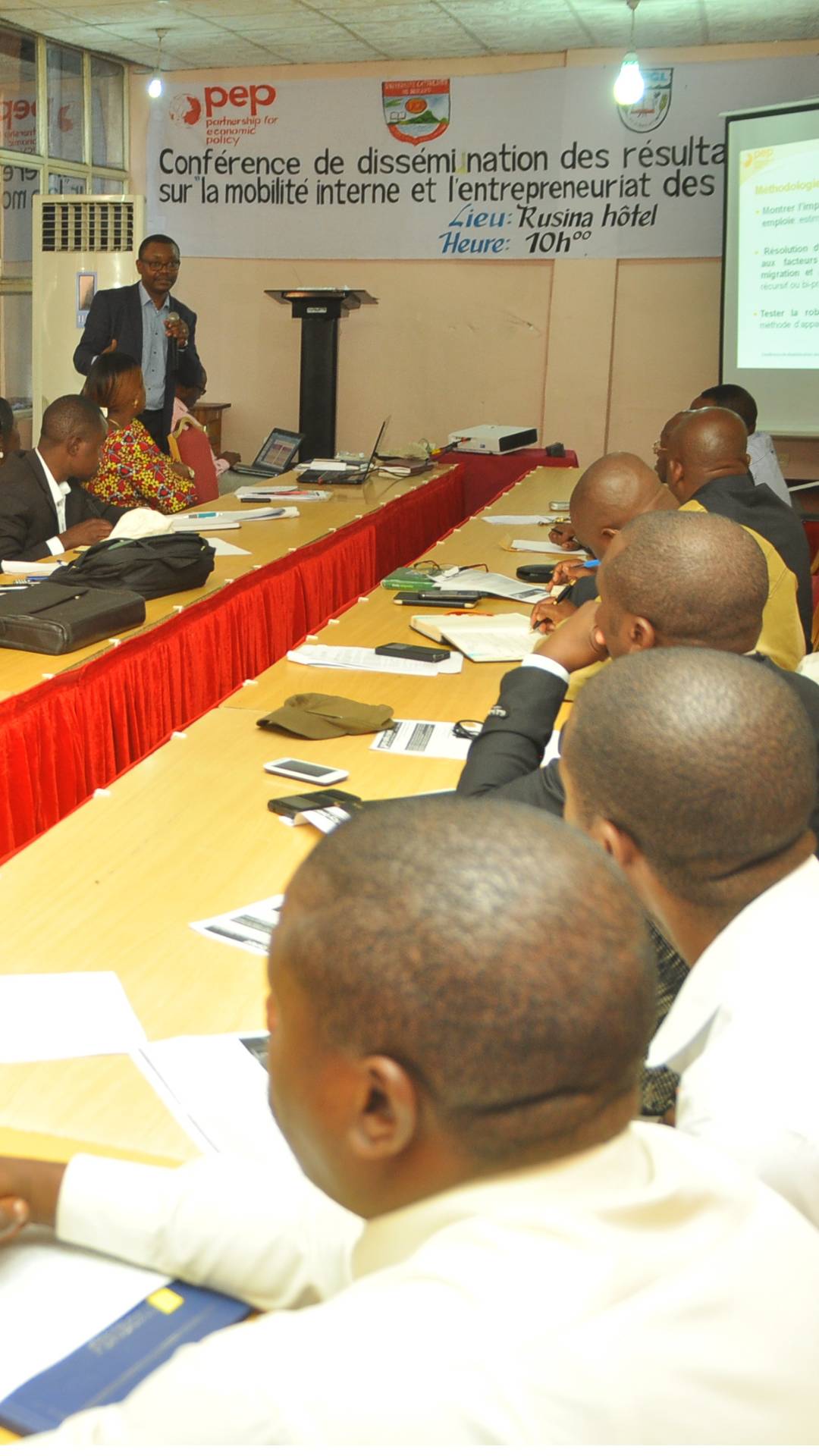
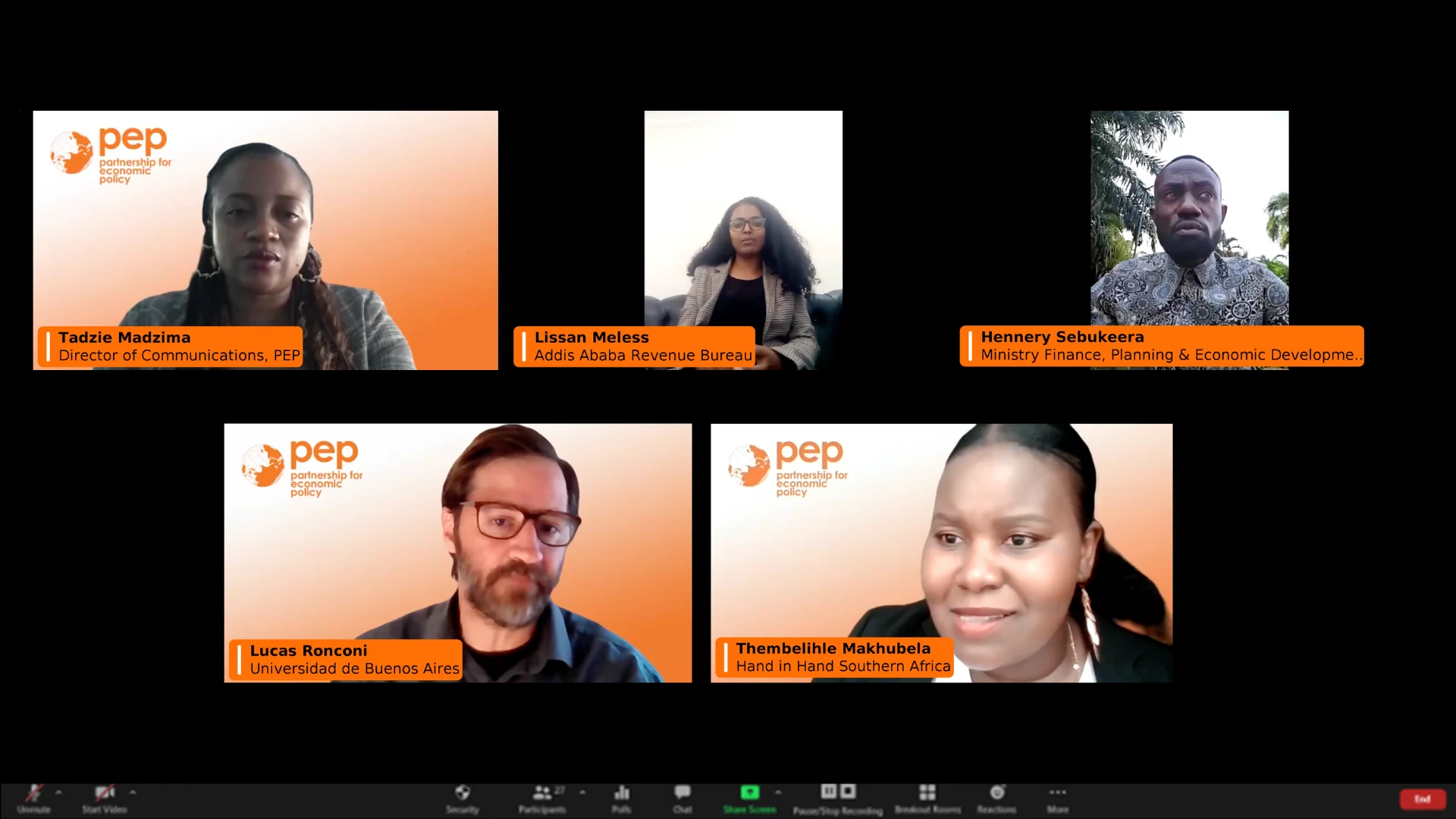
PEP and the Mastercard Foundation partnered for a three-year programme to identify effective policies for creating better youth jobs in Africa. Involving local researchers and stakeholders in ten countries, they co-produced actionable insights that led to national strategies, legislative reforms, and program designs in seven countries. The findings are shaping youth employment policies across the continent.
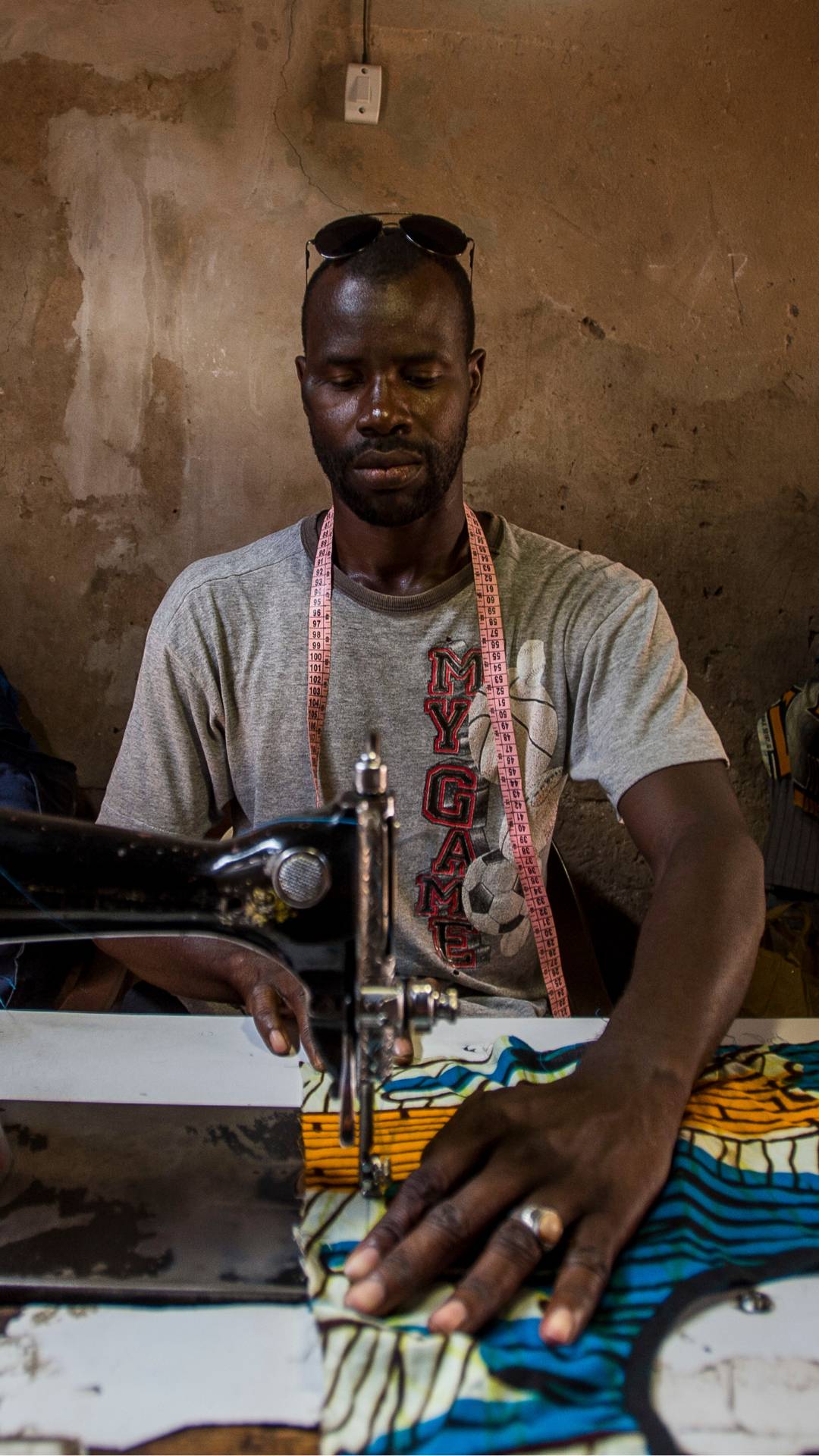
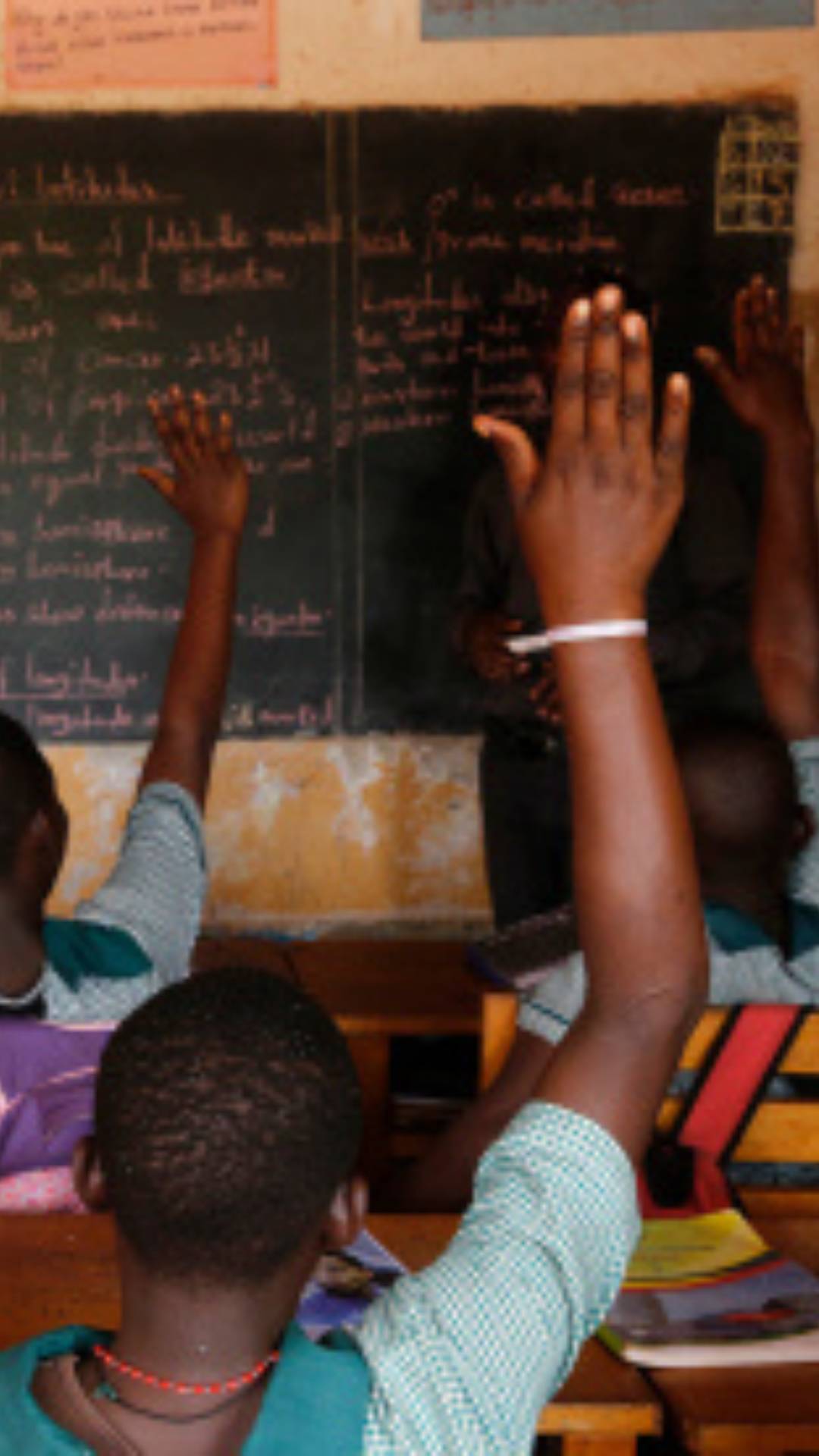
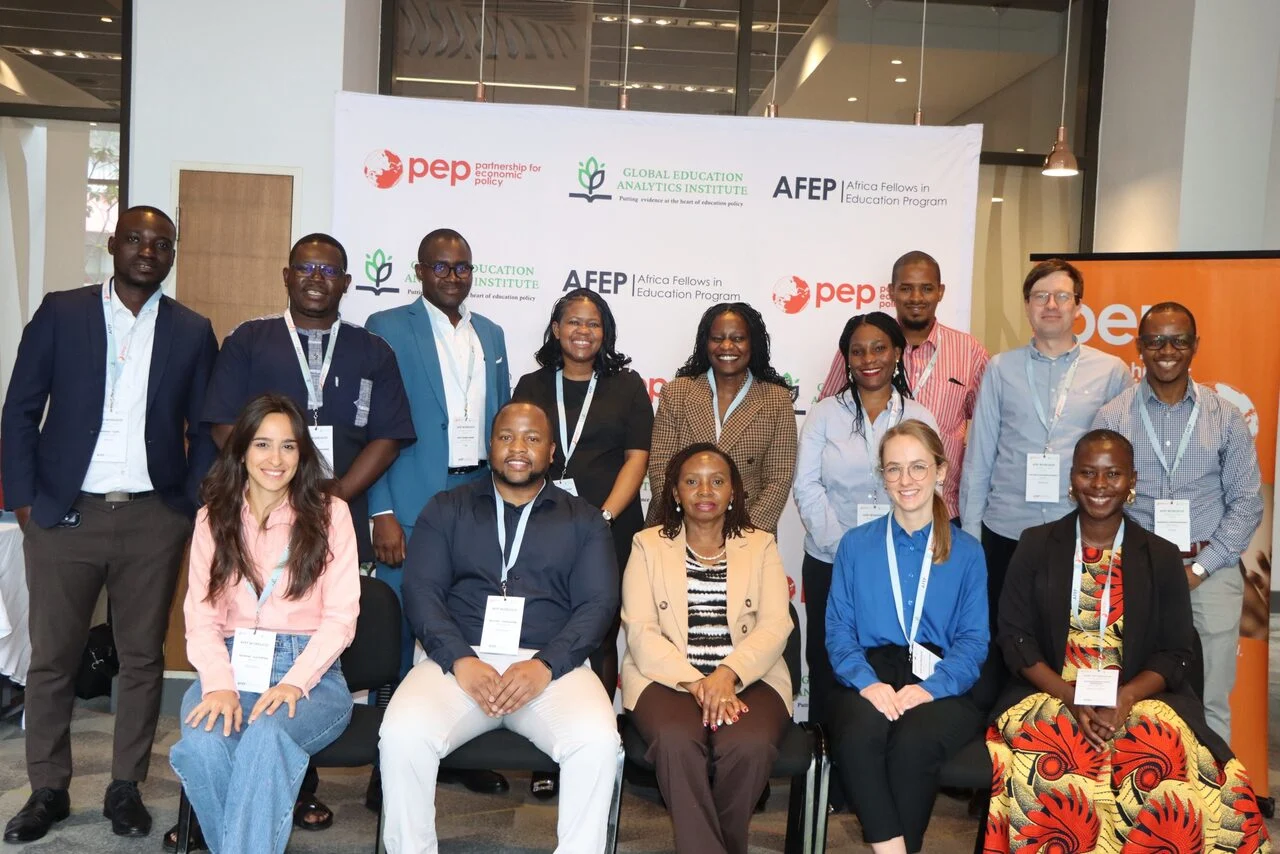
In 2025, PEP continued to strengthen research leadership in education policy through the Africa Fellows in Education Program (AFEP). The programme supports African researchers working on education policy challenges while promoting closer engagement between researchers and policymakers involved in education system reforms.
PEP researchers contributed to national and international policy discussions on sustainable development and energy transitions through work conducted under the Sustainability Performances, Evidence, and Scenarios (SPES) initiative. Funded by the European Union’s Horizon Europe Programme, SPES is implemented by a consortium of research and educational institutions across Europe and beyond, with the aim of generating evidence to support policies that promote shared prosperity, inclusiveness, and environmental sustainability. PEP’s role in the SPES project is to ensure that the insights developed are globally applicable, particularly by exploring the implications of sustainability transition models in the Global South.

Latest developments in PEP’s continued efforts to strengthen Southern research leadership and evidence-informed policymaking
For more than two decades, PEP has championed a localisation approach that places researchers and institutions in the Global South at the centre of policy-relevant research. By supporting locally led research teams and strengthening institutional capacity, PEP contributes to ensuring that development policies are informed by context-specific evidence and grounded in local realities.
Read More
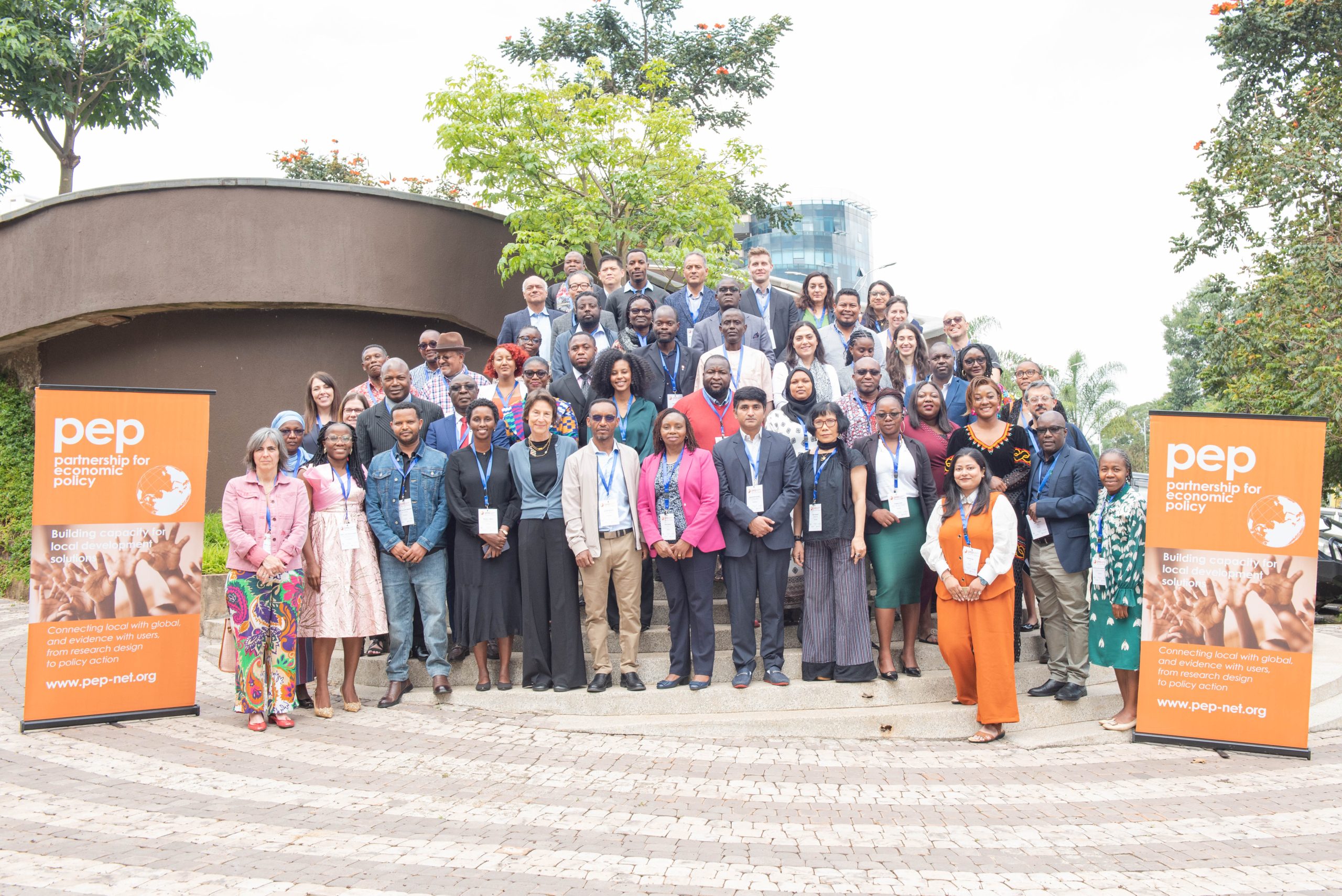
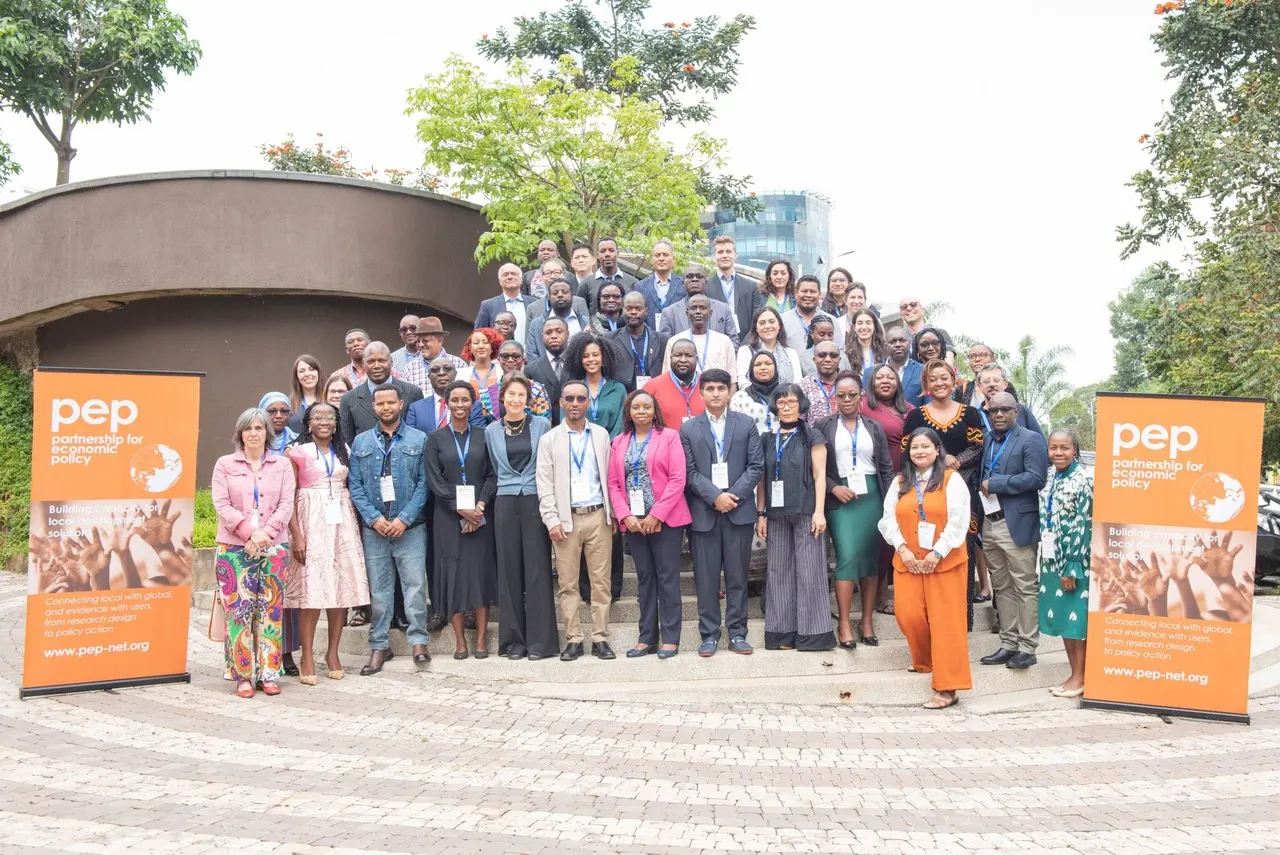
PEP’s flagship one-day Policy Conference on June 11, 2025 in Nairobi, Kenya, focused on “Financing and Inclusivity in Green Energy Transitioning.” Discussions explored how countries in the Global South can address financing constraints, integrate national realities, and ensure that the transition to renewable energy is both sustainable and inclusive.
Read More 
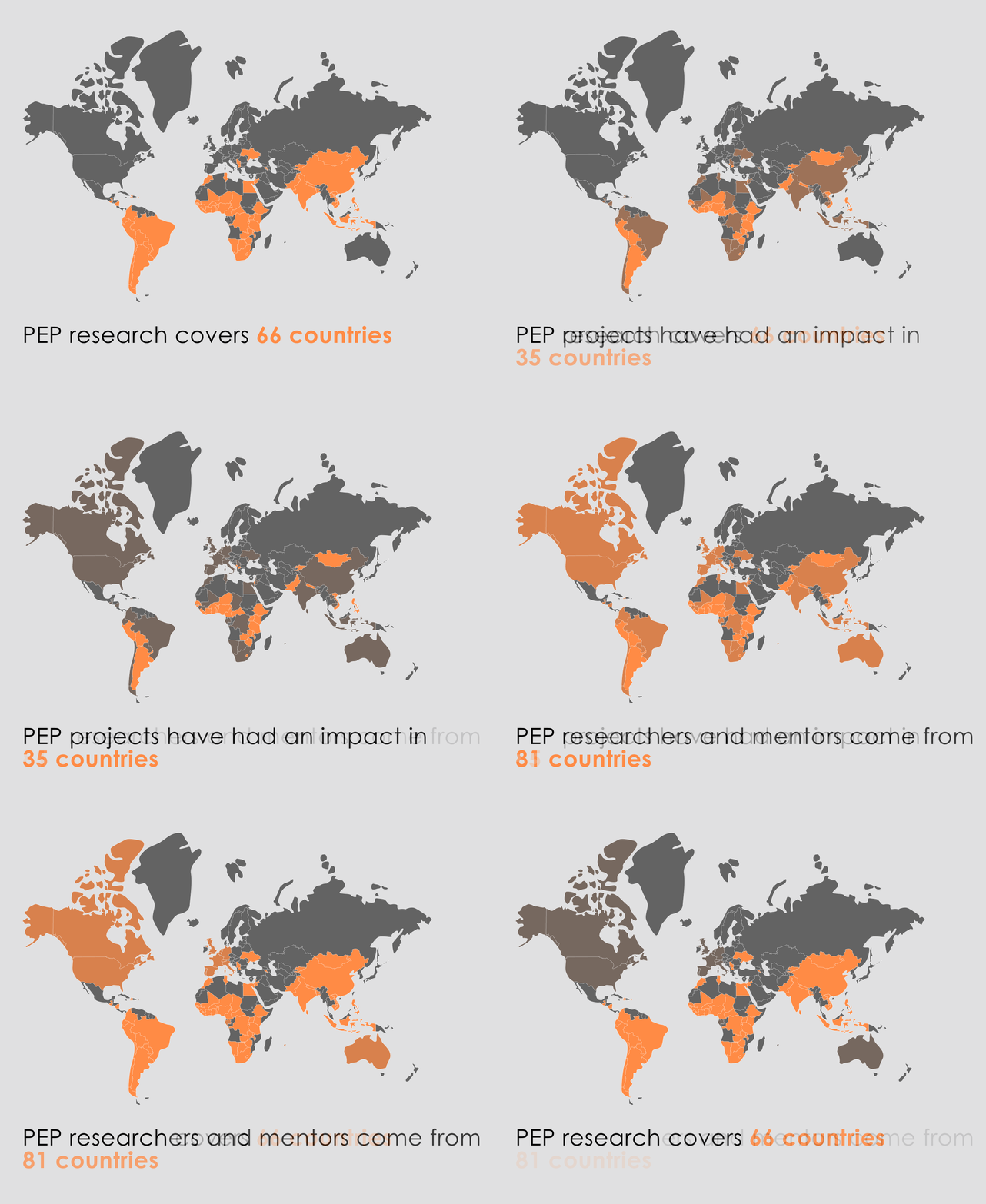
At PEP, diversity is intrinsic to our success. We honor the dignity of all members of our network, prohibit any kind of discrimination, and ensure equal employment opportunities. We offer an inclusive, supportive and welcoming environment to promote productivity and personal growth. Collaboration, honesty and trust are vital to the way we work. We prioritize gender equality in our staffing, and strive to create a workplace where every individual feels valued, respected, and empowered to contribute to our shared mission.


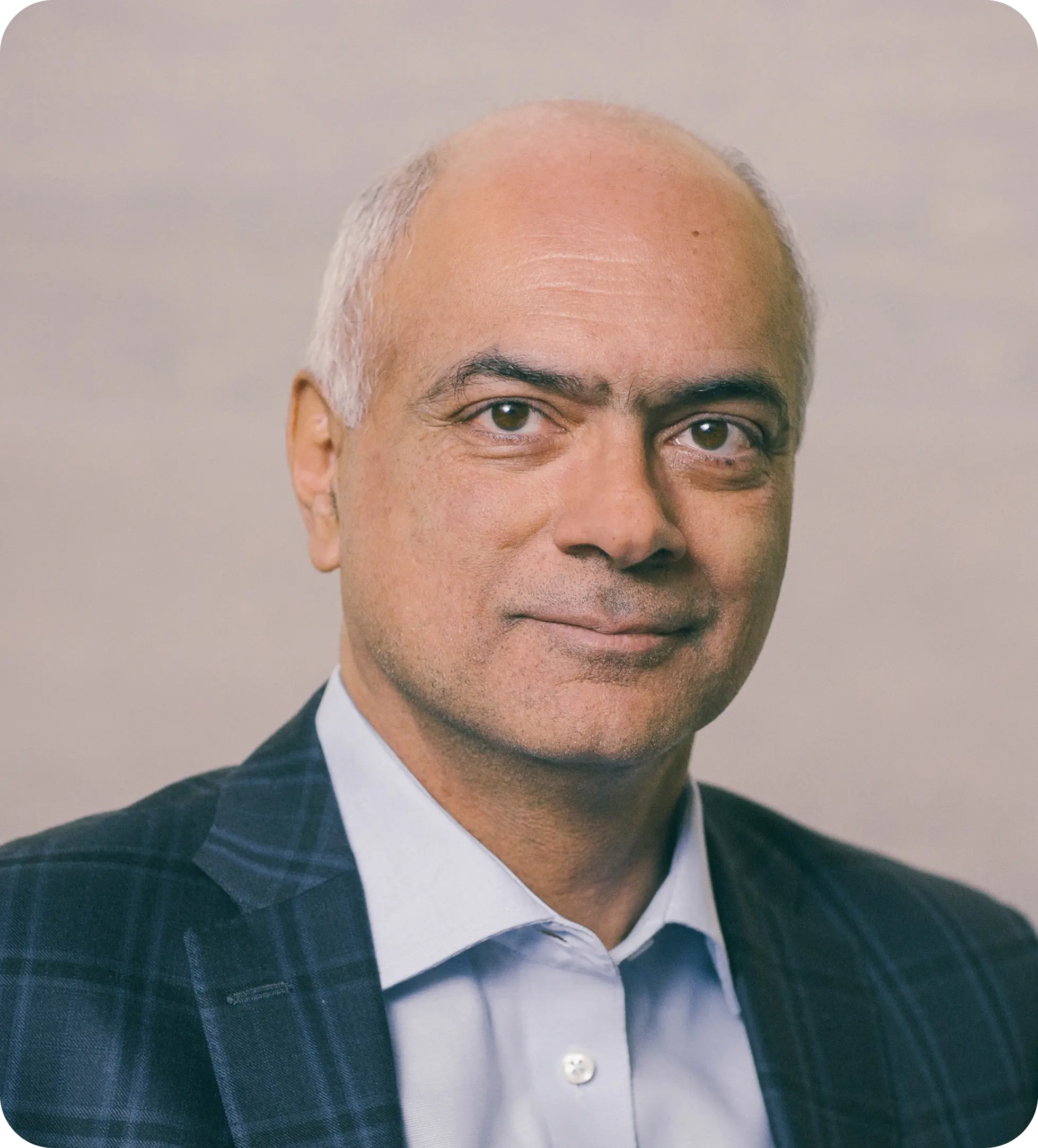


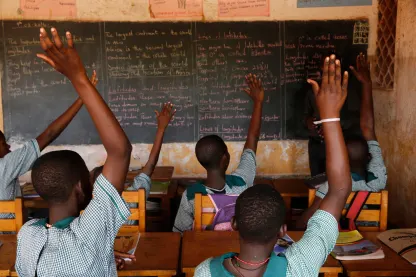





 March 11, 2025 | San Francisco, USA